Sodium ascorbyl phosphate (SAP) is a stabilized form of vitamin C that converts to L-ascorbic acid in the skin, offering brightening and antioxidant benefits without the instability of pure vitamin C. Found in serums, essences, and treatment boosters at concentrations typically 3–10%, it works by brightening dark spots, supporting collagen synthesis, and neutralizing free radicals. Unlike L-ascorbic acid, SAP is pH-stable and water-soluble, making it gentler on sensitive skin and easier to formulate—though it requires enzymatic conversion, so results develop over 4–8 weeks of consistent use. Avoid mixing SAP with pH-altering actives like high-concentration acids or niacinamide above 5% in the same step; start at 2–3 times weekly if new to vitamin C. The InciDecode app lets you scan your SAP product to check concentration, formulation pH, and potential interactions with your other actives. 📱 Scan your product with the InciDecode app ---
Is sodium ascorbyl phosphate the same as vitamin C?
No—SAP is a derivative of vitamin C, not pure vitamin C itself. When you apply SAP, your skin's enzymes (ascorbate oxidase and phosphatase) must first convert it to L-ascorbic acid before it becomes biologically active. This conversion step means results take longer (4–8 weeks vs. 2–4 weeks for L-ascorbic acid), but the payoff is stability and tolerability. Pure L-ascorbic acid is highly unstable—it oxidizes rapidly when exposed to air, light, or heat—which is why many formulations fail to deliver promised potency. SAP sidesteps this problem: it's shelf-stable at room temperature and works at neutral pH, making it ideal for combination formulas that include hydrating or soothing ingredients.
Conclusion: SAP trades immediate potency for stability and gentleness.
---
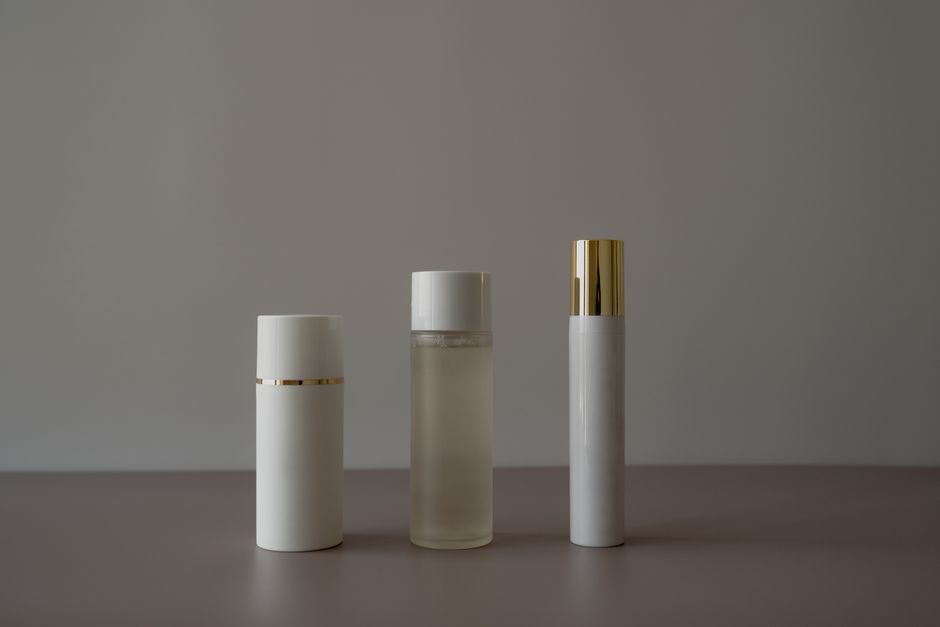
What does sodium ascorbyl phosphate actually do for skin?
SAP delivers three main functions: brightening, antioxidant defense, and collagen support. Brightening works by inhibiting tyrosinase, the enzyme that produces melanin, making it effective for sun spots, post-acne marks, and uneven tone—though results are gradual and visible after 6–12 weeks of consistent use. Antioxidant defense neutralizes free radicals from UV exposure and pollution, reducing inflammatory skin damage. Collagen support operates via SAP's ability to stimulate fibroblast activity, which may reduce fine lines and improve skin firmness over time, though clinical evidence is stronger for L-ascorbic acid at higher pH and concentration.
Real limitation: SAP's conversion efficiency varies by individual skin and formulation pH; acidic formulas (pH 2.5–3.5) improve conversion, but most SAP serums sit at pH 4–5.5 for comfort. If brightening is your primary goal and you tolerate L-ascorbic acid, that form delivers faster, measurable results. If you have sensitive or reactive skin, SAP is the gentler entry point to vitamin C.
Conclusion: SAP brightens and protects, but conversion efficiency depends on skin type and pH.
---
Who should and shouldn't use sodium ascorbyl phosphate?
Best suited to:
- Sensitive skin prone to irritation from L-ascorbic acid or other actives
- Combination and oily skin that needs brightening without occlusive oils
- Beginners to vitamin C who want gradual tolerance-building
- Dull, hyperpigmented skin seeking long-term tone correction (8–12 weeks+)
- Reactive or compromised barriers requiring gentler oxidative stress defense
Caution or avoid if:
- You have very dry skin seeking occlusive hydration—SAP is water-soluble and won't moisturize alone; pair it with a hydrating serum or cream
- You're actively using strong chemical peels or high-concentration AHAs/BHAs (8%+); SAP can increase photosensitivity and irritation
- You have eczema or severe rosacea flaring; introduce SAP only after barrier is stable, starting once weekly
- You're unwilling to wait 6–8 weeks for visible brightening; L-ascorbic acid or niacinamide act faster
- You use iron-rich supplements or mineral sunscreen applied immediately after SAP; both can interfere with vitamin C absorption
Real user mistake: applying SAP immediately before strong acids or retinol. This stacks irritation and reduces conversion efficiency. Use SAP in a separate step, or alternate days.
Conclusion: SAP suits patient, sensitive users; skip it if you need speed or have active barrier damage.
---
How do you use sodium ascorbyl phosphate correctly—and avoid waste?
Step-by-step protocol:
- Cleanse with a gentle, pH-balanced cleanser (pH 4.5–6.5)
- Pat skin dry completely—SAP is water-soluble and won't penetrate wet skin efficiently
- Apply SAP serum to face and neck using 2–3 drops, gently press (don't rub) to allow absorption
- Wait 5–10 minutes before layering occlusive products; this gives enzymes time to begin conversion
- Layer hydration (hydrating toner, essence, or moisturizer) to prevent transepidermal water loss
- Seal with SPF during day, or occlusive moisturizer at night
Frequency: Start at 2–3 times per week; after 2 weeks, increase to daily if no irritation (mild warmth or slight dryness is normal; burning or blistering is not). Once-daily use (AM or PM, not both) is typical for maintenance.
Common waste mistakes:
- Storing SAP in direct sunlight or a clear bottle; keep in opaque, airtight containers
- Using oxidized SAP (brown or yellowed liquid = converted/degraded); check date of manufacture before buying
- Mixing SAP with antioxidants like green tea or vitamin E in the same formula; they interfere with conversion
- Applying to soaking-wet skin; water blocks absorption
Timing with other actives:
| Active | Same Step? | Wait Time | Notes |
|---|---|---|---|
| Niacinamide (≥5%) | No | 1–2 days | Competes for absorption; use on alternate days |
| Retinol/retinoids | No | 1–2 days | Both increase photosensitivity; layer weekly if starting out |
| AHA/BHA (8%+) | No | 2–3 days | Stacks irritation; use separately or every other day |
| Hydrating ingredients | Yes | None | Glycerin, hyaluronic acid, aloe—layer immediately |
| Sunscreen (AM) | Yes | 10 min | Essential; SAP increases sun sensitivity |
| Moisturizer | Yes | 5 min | Pair after SAP dries to lock in hydration |
Conclusion: Apply 2–3 times weekly to dry skin, build to daily, wait 5–10 min before sealing—don't mix with strong actives.
---
What concentration of sodium ascorbyl phosphate is actually effective?
Clinical and cosmetic literature suggests 3–10% SAP delivers measurable brightening and antioxidant effects. Below 3%, results are minimal and slow; above 10%, efficacy plateaus while irritation risk rises—and cost jumps without benefit.
Practical breakdown:
- 3–5% SAP: Entry-level brightening; visible results in 8–12 weeks; suits sensitive or beginner users; typical price point is moderate
- 6–8% SAP: Mid-range; faster brightening (6–8 weeks); slightly more irritant potential; common in premium serums
- 9–10% SAP: Maximum clinical efficacy; results in 4–6 weeks; only for tolerant skin; rare in consumer formulas due to cost and formulation challenges
Why the range matters: SAP alone doesn't determine results; formulation pH, additional antioxidants (ferulic acid, vitamin E), and hydrating base influence both efficacy and irritation. A 5% SAP serum in a pH 3.5 formula with ferulic acid may outperform a 10% SAP formula at pH 5.5 with minimal synergists.
To verify concentration: scan your product with the InciDecode app—the INCI list shows ingredient order by weight, and we decode the precise role and typical range of each component.
Conclusion: 5–8% SAP is the sweet spot; check pH and supporting ingredients, not just concentration.
---

How does sodium ascorbyl phosphate compare to other vitamin C forms?
| Form | Stability | Speed | pH | Irritation | Best For | Drawback |
|---|---|---|---|---|---|---|
| L-ascorbic acid | Low—oxidizes in days | Fast (2–4 wks) | 2.5–3.5 (acidic) | High if > 10% | Fastest brightening, strong results | Unstable; requires perfect storage; harsh on sensitive skin |
| Sodium ascorbyl phosphate | High—stable months | Moderate (4–8 wks) | 4–5.5 (neutral) | Low | Sensitive skin, daily use, easy formulation | Conversion-dependent; slower than L-ascorbic acid |
| Magnesium ascorbyl phosphate | Very high | Slow (6–10 wks) | 3–5 | Very low | Ultra-gentle, barrier-compromised skin | Slowest results; least studied |
| Ascorbyl glucoside | Very high | Slow (8–12 wks) | 3–6 | Very low | Budget-friendly brightening, layering | Least potent; requires high concentration (10%+) |
| 3-O ethyl ascorbic acid | High | Fast (3–6 wks) | 3–5 | Moderate | Brightening + stability balance | Less available; less studied than SAP or L-ascorbic acid |
Real decision framework:
- Want fastest, strongest results & tolerate irritation? → L-ascorbic acid
- Want gentleness, stability, and gradual brightening? → SAP
- Have reactive, compromised, or very sensitive skin? → Magnesium ascorbyl phosphate or ascorbyl glucoside
- On a tight budget & willing to wait? → Ascorbyl glucoside
Conclusion: SAP is the middle ground—faster than glucosides, gentler than L-ascorbic acid, more stable than pure vitamin C.
🔍 Ingredient questions answered
---
What safety concerns exist, and when should you stop using sodium ascorbyl phosphate?
SAP is non-toxic at cosmetic concentrations (3–10%) and has a long history of safe use; it's approved in the EU, US, and most global markets. However, concentration and individual sensitivity matter. Stop or pause if:
Immediate warning signs:
- Severe burning, blistering, or hives (allergic reaction—rare but serious)
- Persistent redness or swelling lasting >24 hours post-application
- Flaking or visible damage to skin barrier (discontinue; focus on repair)
Manageable side effects (often resolve in 1–2 weeks):
- Mild tingling or warmth on application → normal; reduce frequency to 1–2× weekly
- Light dryness or slight peeling → expected; boost hydration step
- Transient redness → usually fades within 30 minutes; switch to PM use only
Special populations:
- Pregnant/nursing: No direct evidence of harm, but data is limited; consult OB/GYN before use
- Concurrent topical retinoids: Increase photosensitivity; use retinoid at night, SAP in AM under SPF, or alternate days
- Recent laser/chemical peel: Wait 1–2 weeks for barrier recovery before reintroducing SAP
- Very dark or Black skin: SAP is safe, though hyperpigmentation may take longer to fade; patience is key
Interaction note: SAP is not a medical treatment; it won't reverse deep scars or severe hyperpigmentation alone. If skin damage is severe, consult a dermatologist.
What to check before you buy: Does the product list a manufacturing or use-by date? Is SAP listed in the top 5 ingredients (higher potency)? Is pH stated? Does the packaging protect from light and air (opaque bottle, pump, or airless dispenser)?
Conclusion: SAP is safe at approved concentrations; stop only if allergic or barrier is severely compromised.
---
Real talk: Does sodium ascorbyl phosphate actually work, or is it hype?
Yes—but with caveats. Clinical evidence supports SAP for antioxidant defense and mild brightening, though the research base is smaller than for L-ascorbic acid. Study outcomes depend on concentration, pH, duration (≥8 weeks), and individual skin biology.
What the science shows:
- A 2016 study (published in Dermato-Endocrinology) found 10% SAP reduced melanin content and improved skin radiance after 12 weeks—but only in users with darker baseline pigmentation, suggesting results vary
- Antioxidant capacity is well-established; SAP neutralizes free radicals similarly to L-ascorbic acid, per multiple ex-vivo assays
- Collagen synthesis studies in cell cultures show SAP stimulates fibroblasts, but human in-vivo data is limited and weaker than for L-ascorbic acid
Why it feels like hype: SAP delivers gradual, subtle results—not overnight glow. If you expect visible brightening in 2 weeks, you'll be disappointed. If you commit to 8–12 weeks, morning and night, most users report modest but real improvements in tone and radiance.
Honest comparison: L-ascorbic acid delivers faster, more dramatic results if you tolerate it. SAP is the long game for sensitive, patient users. Both work; it's a matter of skin type, timeline, and tolerance.
Conclusion: SAP works for brightening and protection; results are real but gradual and individual.
---
What to check before you buy a sodium ascorbyl phosphate product
| Checklist | Why It Matters | Red Flag |
|---|---|---|
| Concentration listed or decodable from INCI order | Determines potency; ≥5% is effective | "Vitamin C complex" with no SAP % listed; missing transparency |
| Packaging (opaque, pump, or airless) | Protects SAP from oxidation | Clear glass bottle or jar; air exposure degrades SAP within weeks |
| Manufacturing or batch date visible | SAP potency declines over time | No date; product may be years old |
| pH stated or inferred from ingredient list | pH 3.5–5.5 optimizes conversion | No pH info; acidic pH (2.5–3) suggests L-ascorbic acid, not SAP |
| Ferulic acid or vitamin E listed (optional) | Synergists boost absorption and stability | Neither listed; SAP formulas with synergists often deliver better results |
| Return/guarantee policy clear | You need recourse if product doesn't suit skin | No 30-day guarantee or vague return terms |
| Storage & shelf-life guidance provided | Protects your investment; tells you how long it lasts | Vague instructions; suggests manufacturer uncertainty about product stability |
Scan your product with the InciDecode app to verify concentration, check for incompatible actives, and cross-reference with our ingredient library.
---
Where to find sodium ascorbyl phosphate products that match your needs
Browse our curated collections by skin type and concern:
- Vitamin C serums & brightening treatments – explore SAP-forward formulas at various potencies
- Serums for sensitive skin – SAP options paired with soothing, hydrating bases
- Products for hyperpigmentation & dark spots – including SAP-based brightening routines
- Antioxidant serums – SAP blended with complementary protective actives
📱 Scan your product with the InciDecode app
---

Frequently asked questions
Can I use sodium ascorbyl phosphate with niacinamide?
Not in the same step. Both compete for skin absorption and may reduce efficacy. Apply niacinamide in your toner or essence, then wait 5–10 minutes before layering SAP serum—or use niacinamide at night and SAP in the morning. If you have very sensitive skin, alternate every other day.
How long does sodium ascorbyl phosphate last once opened?
In an opaque, airtight pump or airless dispenser, SAP remains stable for 6–8 months if stored away from direct sunlight and heat. In a jar or clear bottle, potency degrades within 4–6 weeks due to oxidation and air exposure. Check for browning or off-odors; discard if present.
Will sodium ascorbyl phosphate make my skin photosensitive?
Mildly yes—vitamin C increases UV sensitivity because it neutralizes free radicals that would otherwise trigger protective melanin production. Always pair SAP with a broad-spectrum SPF 30+ during the day. At night, SAP poses no photosensitivity risk.
Is sodium ascorbyl phosphate safe during pregnancy?
No direct evidence of harm exists, as SAP is not systemically absorbed at cosmetic concentrations. However, clinical data in pregnancy is limited. Consult your OB/GYN before starting any new skincare active during pregnancy or breastfeeding.
Can I use sodium ascorbyl phosphate every day?
Yes, once your skin adapts. Start at 2–3 times weekly for 2 weeks, then increase to daily if no irritation occurs. Daily use (morning or evening, not both) is typical for maintenance and is safe; it won't "build resistance" or weaken your barrier if formulated well and paired with a hydrating routine. --- 🔍 Ingredient questions answered 🧪 Browse all ingredients 📱 Scan your product with the InciDecode app